Fleet van insurance: what US businesses need to know
Managing a fleet means managing risk. Fleet van insurance brings all your vehicles under one policy, simplifying your coverage and potentially reducing what you pay.


What affects your fleet insurance premium?
Insurers assess a range of factors when calculating fleet insurance premiums. Understanding these can help you manage costs more effectively:

Claims history
A strong track record with few or no claims typically results in lower premiums.
Driver profiles
Аge, experience, and licence history of authorized drivers all affect the risk assessment.
Vehicle type and value
Higher-value vehicles or those more prone to theft attract higher premiums.
Annual mileage
Higher mileage increases exposure and is reflected in the premium.
Security measures
Immobilisers, GPS trackers, and dash cams can reduce premiums by demonstrating a commitment to risk management.
Driver behavior
Telematics data showing safe driving can support lower premiums with some insurers.
What is fleet van insurance?
Fleet van insurance is a single policy that covers multiple commercial vehicles under one agreement. Rather than managing separate policies for each vehicle, businesses can consolidate coverage, making it easier to administer, adjust, and renew.
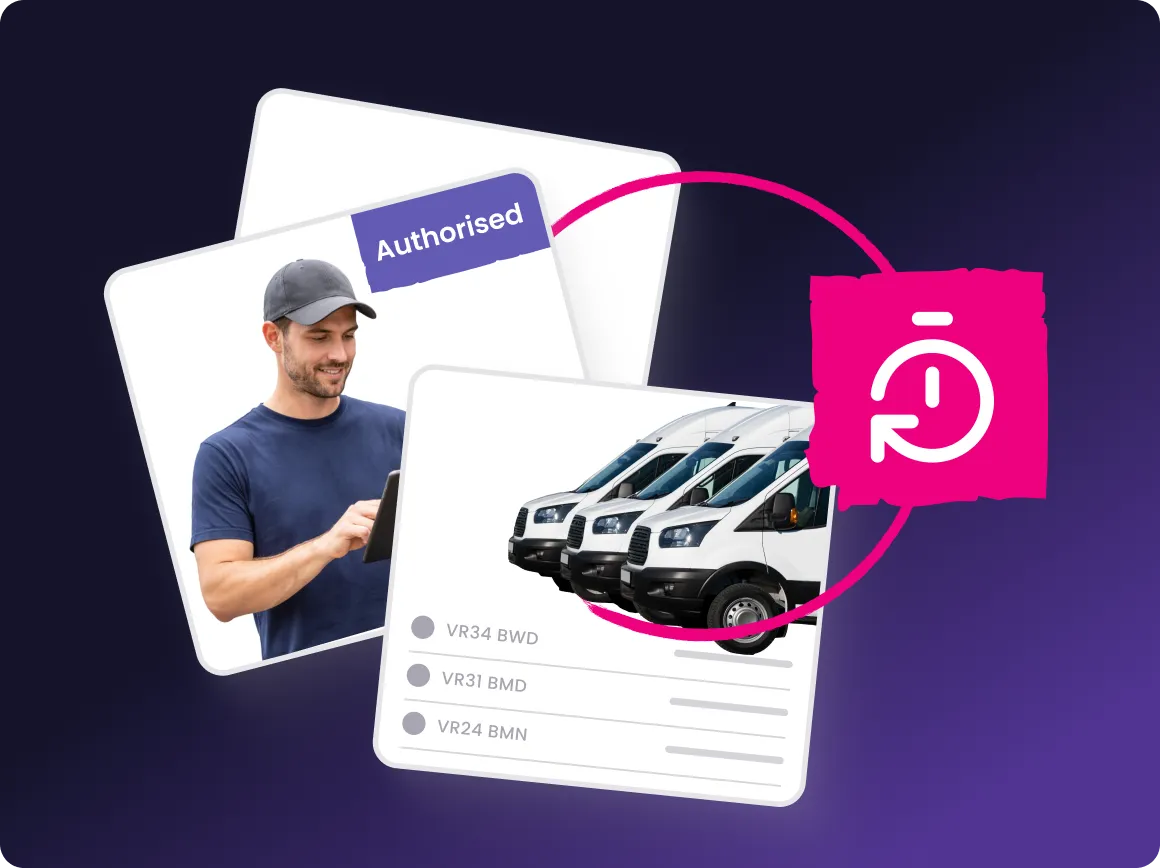
What most fleet insurance policies cover
- Cars, vans, trucks, and specialist vehicles under one policy
- Named drivers or any driver authorized by the business
- Third-party liability, fire, theft, and comprehensive options
- Cover that scales as vehicles are added or removed from the fleet
The minimum number of vehicles required to qualify for fleet insurance varies by provider, but most US insurers offer fleet policies for businesses with two or more vehicles.
Why choose fleet insurance over individual policies
How GPS vehicle tracking can help reduce insurance costs
Many fleet insurers consider GPS tracking when assessing risk. A tracked fleet shows vehicles are monitored, drivers are accountable, and incidents can be investigated accurately. Practical insurance benefits include:
Accurate incident data
GPS journey records and dash cam footage provide an objective account of what happened in the event of a claim, helping to resolve disputes quickly and protect against fraudulent claims.
Driver behavior monitoring
Тracking systems that flag harsh braking, speeding, and rapid acceleration give fleet managers the data to coach drivers and reduce the risk of incidents.
Theft recovery
GPS-tracked vehicles are significantly easier to recover after theft, which reduces the cost of claims for both the business and the insurer.
Proof of location
Real-time location data can support or refute liability claims, particularly in incidents where the sequence of events is disputed.
Keeping your fleet insurable
Maintaining valid fleet insurance is not just about finding the right policy, it requires ongoing compliance across your fleet and driver base. Gaps in compliance can invalidate a policy or create significant liability exposure.
Fleet maintenance
Keeping fleet maintenance records up to date, as insurers may question claims involving vehicles with a poor maintenance history
Keep your fleet roadworthy with automated maintenance tracking and reminders.
- Full vehicle service history accessible in one place
- Track service history digitally for every vehicle
- Set reminders based on mileage intervals or dates

Daily vehicle checks
Completing daily vehicle checks to demonstrate that vehicles were roadworthy at the time of an incident
Keep your fleet roadworthy with automated maintenance tracking and reminders.
- Full vehicle service history accessible in one place
- Track service history digitally for every vehicle
- Set reminders based on mileage intervals or dates

Maintaining clear, up-to-date records of who was driving each vehicle and at what time, ensuring full accountability and accurate reporting if an incident occurs.
Frequently asked questions about fleet van insurance
Individual van insurance covers a single vehicle under its own policy. Fleet insurance covers multiple vehicles under one policy, with a single renewal date and one insurer to deal with. It is generally more cost-effective and easier to manage for businesses running three or more vehicles.
This depends on the policy. Some fleet policies cover any driver authorised by the business, while others require named drivers to be listed. Any driver policies offer more flexibility but may attract higher premiums.
It can. Many insurers factor in telematics and GPS tracking when assessing risk. A tracked fleet with a clean claims history and evidence of driver monitoring is typically viewed as lower risk, which can translate into reduced premiums. Ask your insurer whether your tracking system is taken into account.
RAM does not currently offer fleet insurance directly. This page is intended as a general guide to help fleet operators understand their options. For insurance queries, we recommend speaking to a specialist commercial fleet insurance broker.
Better data means better insurance outcomes
While RAM does not offer fleet insurance directly, GPS vehicle tracking, driver behavior monitoring, and digital compliance records all contribute to a safer, more insurable fleet.